
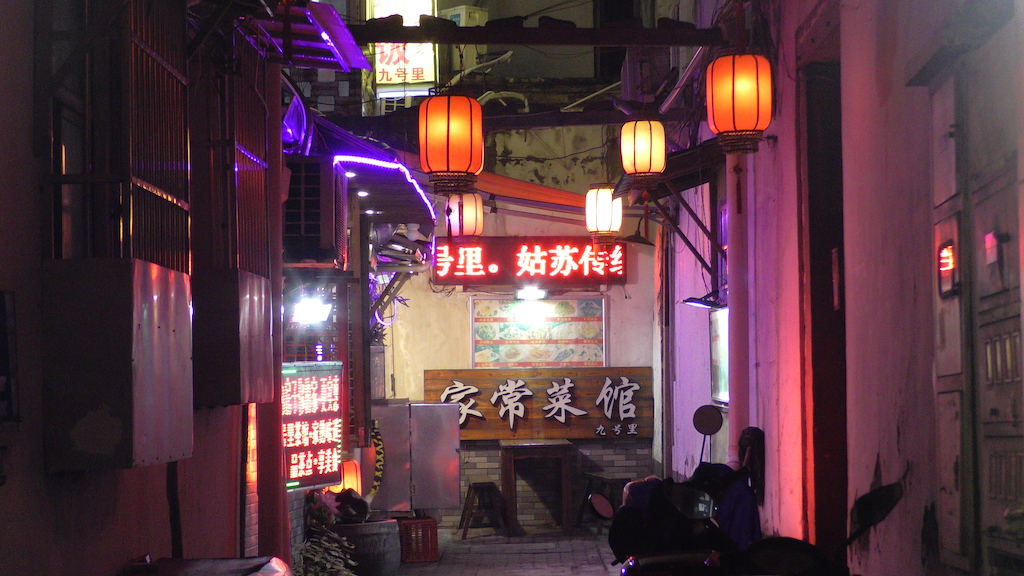
As an international business traveler, there’s one thing I’ve learned for sure – business dinners are more than just about food. They are crucial for establishing relationships and understanding a culture. This rings especially true in China, where business and culture are deeply intertwined. This guide will help you understand the nuances of a business dinner in China and offer some practical tips I’ve learned from my own experiences.
The Significance of the Business Dinner:
Business in China is not just about contracts and negotiations; it’s about relationships, or ‘Guanxi.’ A business dinner is an essential ritual in this process, symbolizing trust, respect, and the desire to build long-term partnerships. It’s an opportunity to connect on a personal level outside the boardroom.

Understanding Seating Arrangements:
There’s a subtle art to seating in China, with positions assigned based on hierarchical considerations. The guest of honor usually sits facing the entrance or in the center of the table. Waiting to be guided to your seat is a sign of respect for this custom.
The Ritual of Toasting:
Toasting is an integral part of the Chinese business culture, symbolizing friendship and unity. The host initiates the toasts, and guests reciprocate. ‘Ganbei’ or ‘bottoms up’ is a common cheer. However, raising a glass of juice or water is completely acceptable if you’re not a drinker.
Short answer: A business dinner in China is a trust-building ritual, not a meal. It’s about Guanxi (relationships) and Mianzi (face). Wait to be seated, toast with “Ganbei” when the host leads, never stand your chopsticks upright in rice, leave a little food on the plate, hand gifts over with both hands, and let your host pay.
Toasting and Conversation Topics: When it comes to toasting, a simple “Ganbei” (which means “empty glass”) or “Kanpai” (which means “dry glass”) is customary. An appropriate toast might focus on the mutual benefits of your partnership, the success of the host’s business, or even a celebration of China’s rich history and culture.
As for conversation topics, discussing business trends, Chinese culture, history, landmarks, and even sports is safe. Food, the central part of any Chinese dinner, is a great conversation topic. Complimenting the host on their selection and showing curiosity about the various dishes will be appreciated.
Avoid controversial topics such as politics, the Cultural Revolution, human rights, Taiwan, and Tibet. These subjects are sensitive and could harm the harmony of the dinner.
Key takeaways
- It’s about relationships, not the contract. Dinners build Guanxi and trust for long-term partnerships, not boardroom wins.
- Wait to be seated. Seating is hierarchical. The guest of honor faces the entrance or sits center. Let your host guide you.
- Follow the host on toasts. “Ganbei” means empty glass, “Kanpai” means dry glass. The host starts, you reciprocate. Not drinking? Juice or water is fine.
- Mind the chopsticks. Never stick them upright in your rice bowl. It symbolizes death and reads as bad luck.
- Don’t clean your plate. I learned this the hard way early on. Empty plate means “feed me more.” Leave a little to signal you’re satisfied. Same with tea: a nearly-full cup says you’re done.
- Both hands for gifts. Let them pay. Give and receive gifts with both hands, refuse lightly before accepting. Whoever invited you pays. Don’t split the bill.
- Protect face. Never publicly criticize or contradict a senior person. Skip politics, Taiwan, Tibet, human rights, the Cultural Revolution.
FAQ
Do I have to drink at a Chinese business dinner?
No. The toasting matters more than the booze. The host leads with “Ganbei” (empty glass) or “Kanpai” (dry glass) and you reciprocate, but if you don’t drink, raising a glass of juice or water is perfectly acceptable.
Should I finish all the food on my plate?
Don’t. Cleaning your plate signals you’re still hungry, and your host will keep refilling it. I made that mistake early in my career. Leave a small amount to show you’re satisfied. Tea works the same way: keep your cup nearly full when you’ve had enough.
Who pays the bill, and should I offer to split it?
The person who extended the invitation pays. If you were invited, don’t try to split the bill. Offering to go halves can cause embarrassment, so let your host handle it.

Dining Etiquette:
The use of chopsticks is standard in Chinese meals. Using them correctly signals respect for the host and the Chinese culture. Remember, never to stick your chopsticks vertically in your rice bowl as this is considered bad luck, symbolizing death.
Gift-Giving Etiquette:
Gift-giving is seen as a gesture of goodwill in Chinese business culture. Always present or receive a gift using both hands as a sign of respect. Refusing the gift lightly before accepting it is also mannerly, indicating humility and politeness.
The Variety of Banquet Foods:
The diversity of Chinese cuisine is globally recognized. The host usually orders various dishes at a business dinner, some of which might seem unusual to foreigners. Being adventurous with food shows respect for the host and can lead to intriguing culinary discoveries.

The Role of Tea:
Tea is central to Chinese dining culture. It’s common to find your cup constantly refilled by the host or server. If you’ve had enough, leaving your tea cup nearly full is a subtle signal that you’re satisfied.
Handling the Bill:
The person who extends the dinner invitation typically pays the bill in Chinese culture. If you’ve been invited, refrain from splitting the bill, as this could cause embarrassment. Instead, you can return the favor by asking them to a meal during your next meeting.
The Importance of ‘Mianzi’:
‘Mianzi’ or ‘Face’ refers to a person’s reputation and dignity in Chinese society. Preserving one’s face and others’ is of paramount importance. Public criticisms or contradictions of someone senior could lead to a loss of face, straining business relations.

After-Dinner Activities:
Business dinners often extend to after-dinner activities like karaoke or a city tour. These are opportunities for further bonding and networking. Participating in these activities showcases your interest in fostering stronger business relationships.
Don’t Empty Your Plate:
Interestingly, leaving a little food on your plate in China is polite. Cleaning your plate can imply that your host needs to provide more food. This is a lesson I learned the hard way. During one of my early business trips to China, I cleaned my plate, unaware of this custom. My host, ever so generous, kept refilling my plate until I almost burst at the seams. While it was an unforgettable experience, it’s one that I wouldn’t wish to repeat!

This comprehensive guide gives you the foundational knowledge to navigate a Chinese business dinner successfully. While it’s not about achieving absolute mastery, understanding and respecting Chinese customs will surely work in your favor. Let the cultural immersion enrich your business trip, and remember to enjoy the experience – after all, it’s not just about the destination but the journey, too!
Navigating a business dinner in China requires an understanding of local customs, an open mind, and, sometimes, a hearty appetite. With these tips, you’ll be better equipped to navigate your next Chinese business dinner gracefully and confidently. Remember, the goal isn’t to perfect every nuance of Chinese dining etiquette but to show respect and willingness to understand Chinese culture. So the next time you find yourself at a business dinner in China, remember my advice, enjoy the experience, and may your chopsticks always be filled with delicious food!