

Short answer: I tack 2-3 nights onto trips I’m already taking for work. The flight’s already booked, the work portion already pays for itself, and my wife can work remotely those days so nobody burns vacation. We add one good experience a day, keep work first, and call it connection time, not a vacation. That’s the whole trick.
It wasn’t for networking or collecting points. It was for our marriage.
Business Travel Used to Feel Like a Solo Mission
For years, business travel followed the same pattern:
I would fly in, go to meetings, have customer dinners, and maybe stay one extra night alone if I wanted to see the city. Then I’d fly home.
It was efficient and professional, but also lonely.
I visited beautiful places like Panama, Costa Rica, Vietnam, and Taiwan, but I came home with stories my wife couldn’t really connect with. She would ask about the trip, and I would tell her, but it always felt one-sided.
Extending a trip by myself never felt the same as extending it with her.
So in 2023, I decided to try something different.
The First Time I Tried It (Costa Rica)
I had a trade show in San Jose, Costa Rica. Four days of meetings and booth work with our partners.
Instead of flying in the day before and flying out the day after, I asked my wife to come with me three days early.
It wasn’t about the trade show or San Jose. It was about Arenal.
We’d spend three days near the volcano at a hotel with natural hot springs. Then drive to San Jose together. She’d stay at the hotel while I worked the trade show. We’d have breakfast together each morning and dinner together each night. Then fly home together.
At first, it felt a bit indulgent. I wondered if it was okay and if I could justify it.
But the flight from Florida to Costa Rica is short. My wife could work remotely, and the trade show dates were set, so I had to be there anyway. Adding three days at the start didn’t disrupt our schedule.
So we did it.
What Those Three Days in Arenal Actually Looked Like
We flew into San Jose together in November 2023 and drove to Arenal. The weather wasn’t perfect; it was a bit chilly for Costa Rica and rained a lot. But that didn’t matter.
The hotel was small but excellent. Our room had a private outdoor hot spring bath, along with access to larger natural hot spring pools. The food was great, and the place was quiet.
Day 1: Decompress
We kept things simple. We soaked in the hot springs, walked around, enjoyed a couple’s massage, and ate good food. There was no set agenda.
That first day wasn’t about sightseeing in Costa Rica. It was about shifting from our usual routines to being present with each other.
Day 2: Explore
We did a few tours. Nothing extreme, just experiences we could share together:
We visited a sloth sanctuary and took a tortilla cooking class. We saw sloths high up in the trees. It was interesting to learn about them, even if we couldn’t get close. The tortilla class was hands-on and fun.
We also took a coffee and chocolate tour at North Fields. Costa Rica really knows how to do coffee. Learning about the process and tasting different varieties was worth it.
We visited La Fortuna Waterfall and hiked down to the base. It was beautiful, simple, and memorable.
Day 3: One Last Experience
We did a hanging bridges and Arenal Volcano combo tour. We walked across suspended bridges through the rainforest canopy, with views of the volcano. It wasn’t adrenaline-filled, just beautiful and peaceful.

After that, we drove back to San Jose together. It was a long drive, but we made stops along the way and didn’t rush.
We booked all these tours through Viator, which made planning easy. If you’re thinking about a similar trip in Arenal, these experiences are worth considering.
The Transition: From Vacation Mode to Work Mode
When we got to San Jose, the dynamic shifted.
The hotel was fine. It was a bit too cold to swim in the pool, so we mostly stayed inside when we weren’t out. But that was okay. The three days in Arenal had done their job, and we already felt refreshed. Having the Gold Status with Hilton helped; we had access to the executive lounge (a couple of drinks and snacks).
During the trade show days:
My wife worked remotely from the hotel. She had her laptop, meetings, and a normal work routine. We’d have breakfast together in the morning. She’d work. I’d go to the trade show.
Evenings were our time together. We went out for dinner and even visited an interesting exhibition carved into a mountain called Anfiteatro de Villa. These small cultural moments helped break up the work part of the trip.
She wasn’t there for the trade show itself. She was there so we could share the trip, and that made a real difference.
After the trade show ended, she flew home. I continued to Panama for more meetings.
Why It Felt Different From a Vacation
This wasn’t a vacation, and that’s important to understand.
A vacation is:
A vacation usually means fully unplugging for at least 7-10 days, doing no work at all, and planning around what both of you want to see.
This was:
This trip was different: work came first, then we made an intentional shift. We spent three days together before work started. She worked remotely during the trade show days, and we focused on connecting, not just checking off sights.

The structure made it realistic. We weren’t trying to escape our responsibilities. Instead, we were blending our lives into a trip that was already on the calendar.
That approach made it sustainable.
The 3-Day Marriage Reset
Looking back, those three days in Arenal followed a simple structure:
Day 1: Decompress
We had no agenda. It was just about moving from our normal routines to being present together. We enjoyed the hot springs, good food, and rest.
Day 2: Explore
One or two experiences. Nothing overscheduled. Just shared moments that create memories.
Day 3: Slow Morning + One Last Thing
We had a slow breakfast, enjoyed one last experience, and then moved on to whatever came next.
That rhythm worked for us. There was no pressure to make the most of every hour. We had just enough structure to create shared experiences without turning it into another productivity project.
What Makes This Work (And What Doesn’t)
What worked:
The work portion was clearly defined. I knew exactly when I had to be in San Jose. The three days before were ours. Clean separation.
My wife could work remotely. She didn’t have to take vacation days for the trade show portion. She worked from the hotel while I was at the booth.
We aimed for one beautiful experience each day. We didn’t try to fit five activities into a single day—just one or two things that felt meaningful.
We chose a good hotel location in Arenal. It was small, quiet, and focused on the hot springs. We didn’t need luxury; we just needed to be present.
There were minimal transitions: three days in Arenal, then a drive to San Jose, four days there, and then she flew home. It was simple.
What wouldn’t work:
Trying to fit sightseeing between meetings wouldn’t have worked. If I had brought her to San Jose and tried to see the city during lunch breaks, it would have felt rushed and stressful.
Bad flight timing would have made things harder. If the flights were miserable or the connections complicated, the trip would have started off stressful.
Extending when I’m already depleted. If the work portion had been brutal and exhausting, adding days with my wife afterward wouldn’t have worked. I’d be too tired to be present.
Turning the trip into another productivity mission misses the point. It’s not about trying to ‘maximize Costa Rica.’ It’s about resetting together.
Dad Math Looks Different Without Kids
When I travel with my family, the math focuses on memory and logistics. Where can we stay that gives the kids space? What activities will they actually enjoy? How do we balance rest and exploration?
When it’s just my wife and me, the math changes:
A business class upgrade might make more sense. We’re not managing kids on a long flight. Arriving rested matters more.
We choose a boutique hotel over sticking with a chain. When it’s just us, I’m not worried about Hilton points or free breakfast for four. I focus on location and experience.
One great dinner is better than three rushed ones. We don’t need to eat out every night, but having one truly excellent meal makes a difference.
When I’m with the kids, I focus on making memories. With my wife, I focus on being present.
That’s a different way of thinking about it.
Why I’m Doing It Again in Panama
I’ve been to Panama twice for work. I know the neighborhoods. The traffic patterns. The skyline. The rhythm of the city.
My wife hasn’t been.
The next time I go to Panama for work, I’m bringing her.
This time feels different from Costa Rica. In Costa Rica, we both experienced Arenal for the first time. We were on equal footing, discovering together.
In Panama, I’ll be showing her places I already know—the canal locks, the old city, and the neighborhoods I’ve walked through by myself.
That feels even more meaningful. I’m not just exploring; I’m sharing.
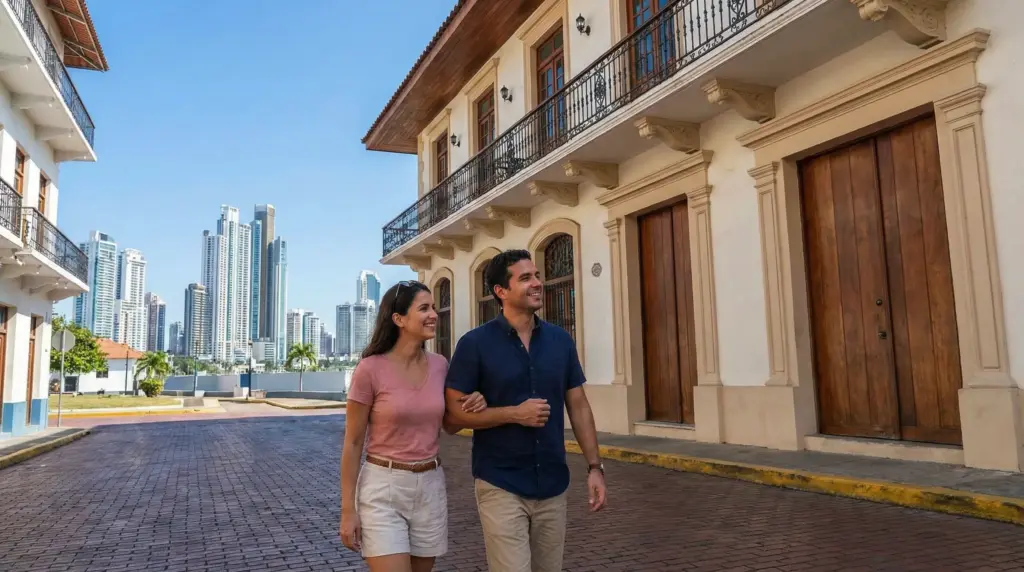
Places I’ve been alone for work will now have shared context. When I travel to Panama in the future, it won’t just be “my work city.” It’ll be a place we experience together.
That kind of integration matters.
The Hidden Benefit No One Talks About
When my wife sees where I travel for work, something shifts.
Work becomes more real. It’s no longer just, ‘I’m going to Costa Rica for a trade show.’ She’s seen the hotel, the neighborhood, and the restaurant where I had that tough customer dinner.
Being apart feels different now. When I leave for a solo work trip, she can picture where I am. It’s not just ‘somewhere for work’—it’s a specific place we’ve both visited.
Conversations deepen. Instead of me telling stories about Panama, we can talk about going back together. The city becomes ours, not just mine.
Travel stops feeling like escape. That’s the real benefit. When work travel is solo, it can feel like leaving. When she’s been there with me, it feels integrated.
My work life and home life stop feeling like separate categories.
When This Is Worth It (And When It’s Not)
Worth it when:
The international trip is already happening. The flight cost is covered by work. Adding three days doesn’t change the fundamental logistics.
Work stress needs to be manageable. If the work part is brutal and high-pressure, adding personal time just creates conflict. But if it’s routine, like trade shows or standard meetings, the extension works.
2-3 extra nights are actually possible. Not squeezing in one night. Real time to decompress.
Clear mental separation exists. I can finish the work portion and shift gears. If I’m still thinking about deals or problems during the personal days, it doesn’t work.
Not worth it when:
24-hour sprint trips. Flying in for one day of meetings and flying out doesn’t create space for extension.
High-pressure deal trips don’t work for this. If the work is intense and the stakes are high, adding personal time just feels wrong. It creates guilt instead of connection.
If I’m already burned out before the trip starts, extending it won’t help. I need to go home and rest, not add more days away.
If I’m only asking my wife to come because I feel guilty about being away, that’s not the right reason. It has to be something we both want.
Why This Might Be the Most Underrated Travel Move
You don’t always need a two-week vacation.
Sometimes you just need three days that belong to both of you.
Three days in Arenal did more to reset our marriage than a week-long planned vacation might have. It wasn’t about checking destinations off a list. It was about being present together in a place where neither of us felt pressure to perform.
The work trip was already happening. The flight was already booked. Adding three days upfront didn’t create a new obligation. It just transformed something that would’ve been solo into something shared.
That’s the key: turning necessary travel into intentional connection.
If you travel for work occasionally – 2-3 times a year – consider whether one of those trips could include your spouse. Not for the work portion. For the reset before or after.
It doesn’t replace a vacation, but it meets a different need: bringing your lives together instead of keeping them separate.
If you’re already flying somewhere for work this year, ask yourself: Would two or three extra nights change more than I think?
You might be surprised.
Related posts:
→ Why I’m Finally Bringing My Family on a Work Trip
→ The Dad Math of Travel: When Upgrades, Points, and Extra Nights Are Worth It
I write about this regularly.
Practical systems for dads who travel occasionally and want to stay sharp at work, connected at home, and not burned out in between.
Key takeaways
- Extend, don’t invent. Add nights to a trip already on the calendar. The work flight is covered, so you’re not paying to fly anywhere new.
- Remote work beats vacation days. On our Costa Rica trip my wife flew in 3 days early and worked remotely during my 4-day trade show. No vacation days spent on the work portion.
- One thing a day. Decompress, then explore, then one final experience. Hot springs and a couple’s massage one day, La Fortuna Waterfall and a sloth sanctuary the next. Not five activities crammed into one.
- Keep work and personal physically separate. We did 3 nights in Arenal first, then drove to San Jose for the trade show. Clean boundary, minimal hopping around.
- The math changes when it’s just the two of you. Business class upgrades start making sense, and you trade chain-hotel points for a boutique room. We had one with a private outdoor hot spring bath.
- Skip it when the trip’s a sprint. 24-hour trips, high-stakes deal negotiations, or showing up already burned out? Don’t bother. This only works when the work portion is routine.
FAQ
How is this different from just taking a vacation?
A real vacation means fully unplugging for 7-10 days with no work at all. This keeps work first, then adds 2-3 nights of intentional time on top. The work portion stays the priority, the personal days are the bonus, and you’re not pretending the trade show isn’t happening.
Who pays for the extra nights?
Work pays for the work portion since I have to be there anyway. The personal extension days are on me. The big saving is the flight: it’s already booked for the job, so adding nights doesn’t mean buying a new trip from scratch.
When should I not do this?
Skip it on 24-hour sprint trips, when you’re going in for high-pressure deal negotiations, or when you’re already burned out before you leave. And don’t do it out of guilt. It only works when the work is manageable and you both actually want the time together.
📍 Part of: Bleisure & the Traveling Dad.