

Short answer: Our biggest mistake was cramming six cities into two weeks. Too many hotels, ten hours of driving, and a Vatican slog with tired kids. The fix is simple: three bases, four to five nights each, trains over driving, and start slow in a smaller town before hitting a capital like Paris or London.
Our two-week ‘European Boot Camp’ completely changed how we travel as a family.
The Trip That Looked Perfect on Paper
In 2023, we took our first European trip with the kids. My daughter was 7. My son was 12.
The itinerary seemed efficient, impressive, and ambitious:
– 3 days Rome – 1 day Florence – 2 nights Venice – Train to Milan, rent a car – 3 days Chamonix – 1 day Lake Como and Bellagio – 3 days Lisbon (TAP layover win)
We planned six stops in two weeks, covering three countries and some of Europe’s most iconic cities.
It all looked great on paper.
But reality turned out differently.
When we got home, my son called it our ‘European Boot Camp.’
He had a point.
Mistake #1: Too Many Cities, Not Enough Depth
With six stops in two weeks, we had to pack up every two or three days.
We were always adjusting to new hotel routines, different transit systems, and unfamiliar neighborhoods. There was no sense of routine or rhythm.
Kids need predictability. A familiar grocery store where they know where the snacks are. A park they’ve been to before. A sense of place that comes from staying put.
We felt like we were sampling Europe, but the kids were just trying to get through it.
Rome worked because we stayed three days. We found a rhythm. The kids knew how to get to the Colosseum from our apartment. They had a favorite gelato shop.
We spent only one day in Florence, two nights in Venice, and one day at Lake Como. It wasn’t enough time to settle in—just enough to get tired.
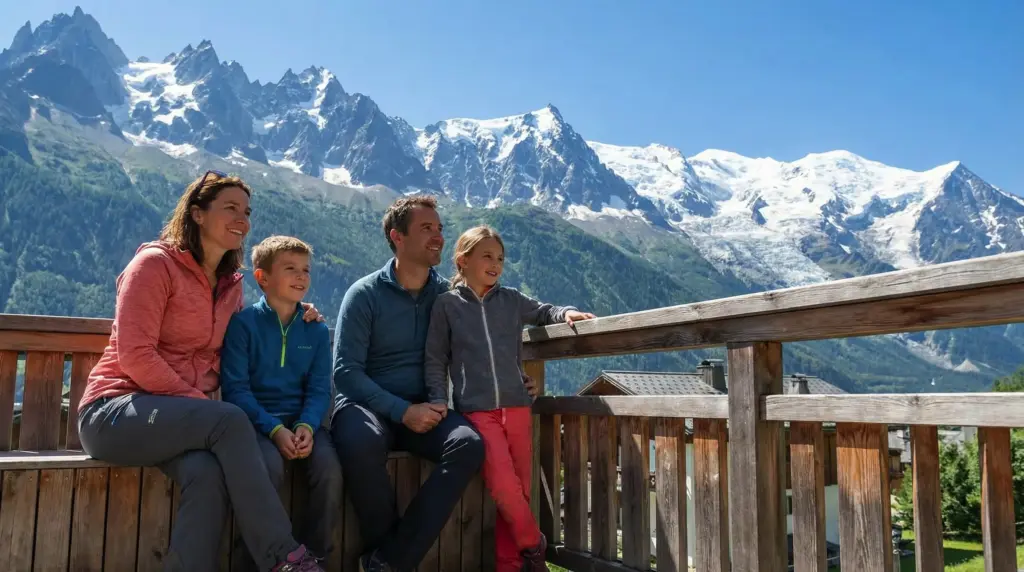
We stayed three days in Chamonix, and it became the kids’ favorite part of the trip. It wasn’t that the mountains were more impressive than Rome or Venice, but because they finally had time to settle in.
Mistake #2: Confusing Adult Efficiency With Kid Experience
Adults think: “Florence is only 90 minutes by train from Rome. We’re already in Italy. Might as well.”
Kids experience: packing bags, checking out, navigating a train station, finding the right platform, sitting still for 90 minutes, unpacking bags, figuring out a new hotel, adjusting to a new city.
That isn’t efficient for kids—it’s exhausting.
We added Lake Como because we were driving from Chamonix anyway, and it’s beautiful. One extra day. What’s the harm?
The harm was another 5 hours of driving on crazy mountain roads to Bellagio, another hotel check-in, and another day where the kids had to be patient while we navigated logistics.
Lake Como is beautiful, but you really need to stay there to enjoy it. Just driving through with tired kids doesn’t work, and it wasn’t worth the stop.
Efficiency for adults doesn’t equal sustainability for kids.
Mistake #3: Driving Too Much
We rented a car in Milan. Drove to Chamonix – about 3-4 hours. The kids fell asleep, which helped.
We didn’t use the car in Chamonix. Just parked it.
Then we drove from Chamonix to Lake Como – roughly 5 hours. We stopped in a small town, toured a castle, and had lunch. Tried to break it up.
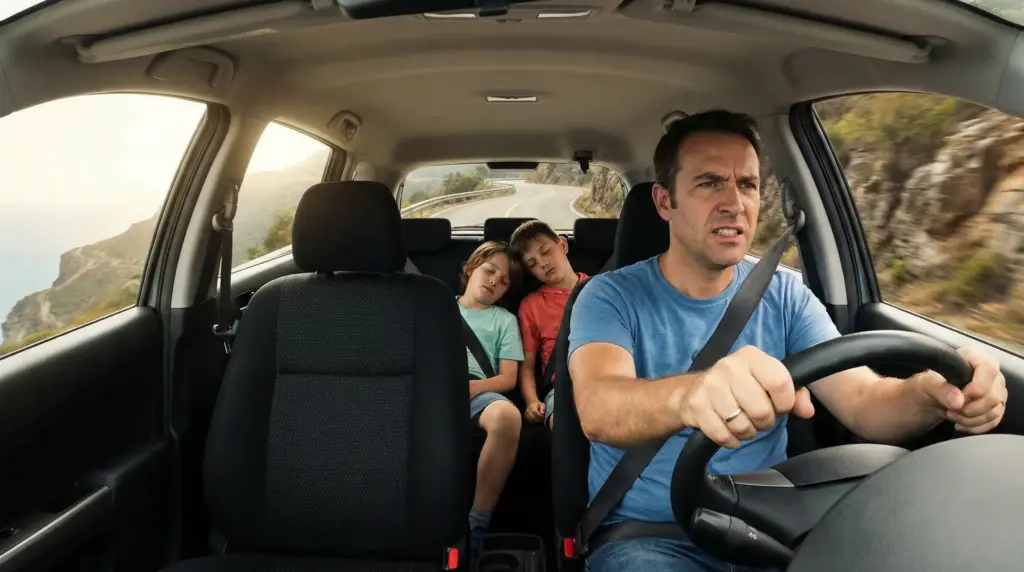
The next day, we drove from Como center to Bellagio. Crazy mountain roads. Almost 5 hours of driving that day.
In total, we spent nearly ten hours driving over two days.
By the time we got to the airport to fly to Lisbon, everyone was exhausted. We were happy to be done driving.
Driving in Europe sounds romantic when you’re planning, but it’s much less so when you’re navigating mountain roads with two tired kids in the back seat, asking how much longer.
Mistake #4: No Slow Landing
We landed in Rome and started sightseeing immediately.
We had no time to adjust or start slowly—just jet lag, summer heat, and crowds at the Colosseum.
The kids were functional. But they weren’t adjusted. That first day was rough.
Compare that to our later trips, where we started in Chamonix or another small town. Fresh air. Light activity. Early bedtimes that felt natural. By day three, everyone was ready for big cities.
Starting a trip in a capital city while jet-lagged sets the wrong tone. You’re fighting exhaustion while trying to enjoy the sights, and it just doesn’t work.
Mistake #5: Trying to “Maximize Europe”
I thought: This might be our only European trip with the kids. We should see as much as possible. We can rest when we get home.
So we added Florence. Added Lake Como. Pushed through tired afternoons because we were already there and might not come back.
The kids thought: Why are we walking again? Another church? Are we done yet?
At the Vatican Museum, we spent hours walking through galleries to see the Sistine Chapel. It’s incredible. A masterpiece. Worth seeing.
But my kids were 7 and 12. They didn’t fully appreciate it. Too young. Too hot. Too tired from all the walking.
I should have saved that for when they’re older and can actually engage with it. Instead, I forced it because we were in Rome and “you can’t skip the Vatican.”
Trying to see as much of Europe as possible meant we barely rested. That approach is backwards.
The Low Points (And How We Knew We’d Overdone It)
Venice
The hotel was extremely expensive. We got a tiny room that shared a bathroom with two other rooms. Not a private bathroom. Shared.
It rained both days we were there.
The kids enjoyed making Venetian masks at a workshop. We went to a Vivaldi concert at the Vivaldi church. We tried black squid pasta. We took the expensive gondola ride my wife wanted.
But overall, the experience was stressful, expensive, cramped, and rainy. It wasn’t worth staying two nights.
Lake Como and Bellagio
It was beautiful—absolutely the kind of place you see in photos and want to visit.
But we drove through. One day. Crazy mountain roads. Kids are tired in the back seat.
You can’t really appreciate Lake Como from a car. You need to stay, walk around, sit at a café, and slow down.
Adding it as a one-day stop between Chamonix and Lisbon didn’t work. It just added driving and exhaustion.
When we finally got to the airport to fly to Lisbon, we were relieved. No more driving. No more packing. Just a flight and three days in one place.
What Actually Stuck (Despite the Chaos)
This trip wasn’t a failure—it created memories—but it came at a cost.
What the kids remember:
Food.
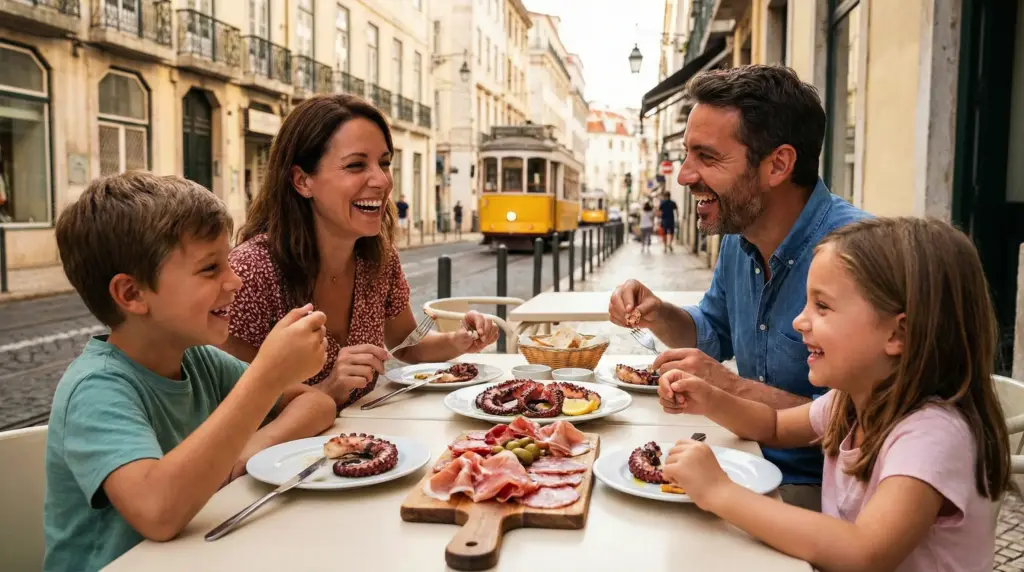
They remember gelato in Rome, kebabs in Florence (they needed a break from pasta), black squid pasta in Venice, and octopus and charcuterie boards in Lisbon. The food really stuck with them.
Chamonix.
They fell in love with Chamonix—the mountains, the clean air, and the slower pace. Three days there was enough for them to feel settled and happy.
Chamonix became the reference point. When we planned future trips, they asked: “Will it be like Chamonix?”
Rome highlights.
We stayed just five minutes from the Colosseum and bought a yearly pass, which was cheaper than regular tickets and let us skip the long lines. That was a great travel hack.
We saw the Forum. Too hot in summer, but impressive. Walked to Trevi Fountain. The kids remember those landmarks.
Florence hotel.
We took the train from Rome to Florence. Spent one day in the center. Visited the Da Vinci museum. Walked through a leather goods market.
What the kids loved most was the hotel. It was a loft with two floors, and they had their own room upstairs. That sense of independence mattered more to them than the museums.
Lisbon.
We took a rickshaw-type tour around the city center. Walked from the main square to Belém Tower. The food was amazing – octopus, charcuterie, and pastries.
We visited Sintra, and spending three days in one city felt like a luxury after so much moving around. The kids finally relaxed.
Even chaotic trips create memories, but the real question is: at what cost?
What This Trip Taught Me About Traveling With Kids
These lessons changed how we travel:
1. Fewer cities beat more countries.
Six stops in two weeks was too much. Three bases work better. The kids remember Chamonix and the food more than half the cities we visited.
2. Four to five nights minimum per base.
One-night stops don’t work, and two nights barely do. Four to five nights let kids settle in, find routines, and actually experience a place instead of just seeing it.
3. Trains beat driving (when possible).
Ten hours of driving in two days was tough. Trains are easier—kids can move around, there’s no navigation stress or parking to worry about. You just board and arrive.
4. Build in “boring time.”
Kids need downtime—visits to parks, walks with no agenda, and time at the hotel where they can just be themselves without sightseeing. That isn’t wasted time; it’s essential.
5. Start slow.
Landing in a capital city and jumping right into sightseeing doesn’t work. Start in a smaller town or the mountains, with a slower pace, so everyone can adjust before heading to busy places like Paris or London.
How It Changed Our France & UK Trip
Two years later, we took another European trip. France and the UK, with three families.
The structure was completely different:
2023 (European Boot Camp):
– 6 cities – Heavy driving – Constant transitions – Started in Rome (big, hot, crowded) – One-night and two-night stops
2025 (France & UK):
– 3 bases (Chamonix, Paris, London) – Train travel – Slow mountain start – 3-5 days per city – No one-night stops
The France & UK trip was better. Not because the destinations were better. Because we built it around what kids actually need, not what looks impressive on an itinerary.
The kids came home tired but happy, not completely worn out. That’s the difference.
The Grumpy Dad Travel System Was Born From This
That 2023 trip taught me that occasional family travel needs structure:
Prep
Fewer bases. Longer stays. Less movement.
Arrival
Slow landing. Start in a small town or slower-paced city. Let everyone adjust before the intensity.
Execution
One major activity per day. Built-in downtime. Flexible plans that allow for rest.
Connection
Protect energy so the trip feels shared rather than endured.
Return
Come home tired but satisfied. Not depleted.
This system came from learning what doesn’t work.
If You’re Planning Your First European Trip With Kids
Here’s what I’d tell you:
Pick two bases maximum. Stay 4+ nights in each. Avoid one-night stops entirely.
Limit driving. Take trains when possible. If you must drive, keep it under 3 hours per day.
Build one rest day for every three activity days. Not a museum day. An actual rest day where the kids can run around a park or stay at the hotel.
Start slow. Mountains or a small town first. Big cities second.
Save some experiences for when they’re older. The Vatican is incredible. But not at age 7.
These are simple rules, but following them makes a huge difference.
Would I Do It Again?
Yes, but I would do it differently.
That 2023 trip wasn’t a disaster. The kids remember good food and Chamonix. We have photos and stories. It created memories.
But it was harder than it needed to be. We pushed too much, moved too fast, and tried to maximize instead of just enjoy.
Mistakes can be costly, but the lessons add up over time.
Every trip since then has been better—not because we’ve seen more impressive places, but because we’ve slowed down.
If you’re building your first Europe itinerary with kids, resist the urge to turn it into a highlight reel.
Plan your trip to create memories, not just to check off sights.
Your kids won’t remember every city you visited. They’ll remember how they felt. Whether they were exhausted or engaged. Whether the trip felt shared or survived.
We’ve traveled better since—not because we saw less, but because we slowed down.
Related posts:
→ France & UK With Kids: Chamonix, Paris, and London (What Actually Worked)
→ The 2-3 Trips a Year Dad: How to Travel for Work Without Losing Your Edge
I write about this regularly.
Practical systems for dads who travel occasionally and want to stay sharp at work, connected at home, and not burned out in between.
Key takeaways
- Fewer stops. Six stops in two weeks meant constant hotel transitions. Three bases work better.
- Four to five nights minimum per base. That’s enough for kids to settle in, find a routine, and actually experience a place instead of just seeing it.
- Trains beat driving when you can. Kids can move around, no navigation stress, no parking. You board and arrive. We did nearly ten hours of driving over two days on mountain roads. Don’t.
- Start slow. Begin in a smaller town or the mountains so everyone adjusts before busy capitals like Paris or London.
- Build in boring time. Parks, walks with no agenda, downtime at the hotel. Kids need to just be themselves.
- One major activity per day, with built-in downtime and flexible plans that allow for rest.
- Buy a yearly pass where it pays off. Our Colosseum yearly pass was cheaper than regular tickets and let us skip the long lines.
FAQ
How many cities should we visit on a two-week Europe trip with kids?
Fewer than you think. We did six stops in two weeks and it was too much. Three bases works far better, with four to five nights at each so the kids can settle in and find a routine instead of living out of a suitcase.
Is it better to drive or take the train through Europe with children?
Trains, when you can. Kids can move around, there’s no navigation stress, and no parking to worry about. You just board and arrive. Our worst stretch was nearly ten hours of driving over two days on mountain roads with two exhausted kids.
What’s the best way to handle jet lag at the start of a family trip?
Start slow. Begin in a smaller town or the mountains with a slower pace so everyone can adjust before heading to busy places like Paris or London. We jumped straight into Rome the first time and it didn’t go well.